These 12 facts about music, and how they affect your brain, will astound you! by ashley blodgett apr 19, 2015, 8:40 pm 41. 9k views comments off on these 12 facts about music, and how they affect your brain, will astound you!. Though it might be obvious that your brain reacts differently to podcasts vs. music, there's also significant overlap. according to experts, without even feeling it, a narrative podcast and a song. Oct 08, 2018 · the brain imposes structure and order on a sequence of sounds that, in effect, creates an entirely new system of meaning. the appreciation of music is tied to the ability to process its underlying.
Music can… change your ability to preceive time tap into primal fear reduce seizures make you a better communicator make you stronger boost your immune system assist in music affect brain how your repairing brain damage make you smarter evoke memories help parkinson’s patients. Research suggests music can influence us a lot. it can impact illness, depression, spending, productivity and our perception of the world. some research has suggested it can increase aggressive.
Wired senior impresor peter rubin tests his skills against a pro sports gamer to find out if gaming can improve your brain and body. topics music neuroscience wired is where tomorrow is realized. Of course, music affects many different areas of the brain, as you can see in the image below. we're only scratching the surface with this post, but let's jump in. advertisement. In terms of how music affects the brain, we can turn to a specific niche of research called neuromusicology, which explores how our nervous systems react to music. basically, music enters the inner. The brain imposes structure and order on a sequence of sounds that, in effect, creates an entirely new system of meaning. the appreciation of music is tied to the ability to process its underlying.

Sep 04, 2015 · there are four major parts of the lobe of the brain, and each part is engaged when music enters. there is not a set path that music travels in the brain, because in many songs, so many factors are changing all the time, so it is more like a tennis match. One of the first things that happens when music enters our brains is the triggering of pleasure centers that release dopamine, a neurotransmitter that makes you feel happy. this response is so quick, the brain can even anticipate the most pleasurable peaks in general music and prime itself with an early dopamine rush.

How Does Music Affect Your Brain Siowfa15 Science In

Brain imaging reveals how neural responses to different types of music really affect the emotion regulation of persons. the study proves that especially men who process negative feelings with. Turns out, whether it’s rock ‘n’ roll, jazz, hip-hop or classical, your gray matter prefers the same music you do. “it depends on your partidista background,” yonetani says. for a while, researchers believed that classical music increased brain activity and made its listeners smarter, a phenomenon called the mozart effect.
How does music affect the brain to trigger the positive effects depend on the music affect brain how your type of music, the tempo and how often one listens to it and in what situations? music has the ability to affect one’s concentration making it easier or harder to focus, the effect depends mainly on the person but also on the type of music. This feature is part of music and your mind, a series exploring how music affects your brain. read part 2 on healing and part 3 on torture. (cnn) music is present in every part of our lives.
12 Facts About Music And The Way It Impacts Your Brain
Music & how it impacts your brain, emotions. related articles. malini mohana. malini mohana is a content writer at r. o. i promedio and psychology graduate from the university of cape town, south africa. Music boosts brain chemicals one of the ways music affects mood is by stimulating the formation music affect brain how your of certain brain chemicals. listening to music increases the neurotransmitter dopamine. dopamine is the brain’s “motivation molecule” and an integral part of the pleasure-reward system.
Jan 03, 2020 · music boosts brain chemicals one of the ways music affects mood is by stimulating the formation of certain brain chemicals. listening to music increases the neurotransmitter dopamine. dopamine is the brain’s “motivation molecule” and an global part of the pleasure-reward system. In terms of how music affects the brain, we can turn to a specific niche of research called neuromusicology, which explores how our nervous systems react to music. basically, music enters the. To study how music preferences might affect functional brain connectivity -the interactions among separate areas of the brain -burdette and his fellow investigators used functional magnetic. Barry goldstein, a recording artist who has studied the vibrational effects of music for more than 25 years, says music has a profound impact on the brain. in a column for conscious lifestyle.
One of the first things that happens when music enters our brains is the triggering of pleasure centers that release dopamine, a neurotransmitter that makes you feel happy. this response is so quick, the brain can even anticipate the most pleasurable peaks in acostumbrado music and prime itself with an early dopamine rush. That's one of the things jonathan burdette, m. d. has found in researching music's effects on the brain. "music is primal. it affects all of us, but in very personal, unique ways," said burdette.
Of course, music affects many different areas of the brain, as you can see in the image below, so we’re only scratching the surface with this post, but let’s jump in. share stories like this to your social average followers when they’re most likely to click, favorite, and reply! schedule your first post with buffer. 1. In this episode of tech effects, we explore the impact of music on the brain and body. from listening to music to performing it, wired's peter rubin looks at how music can change our moods, why we.

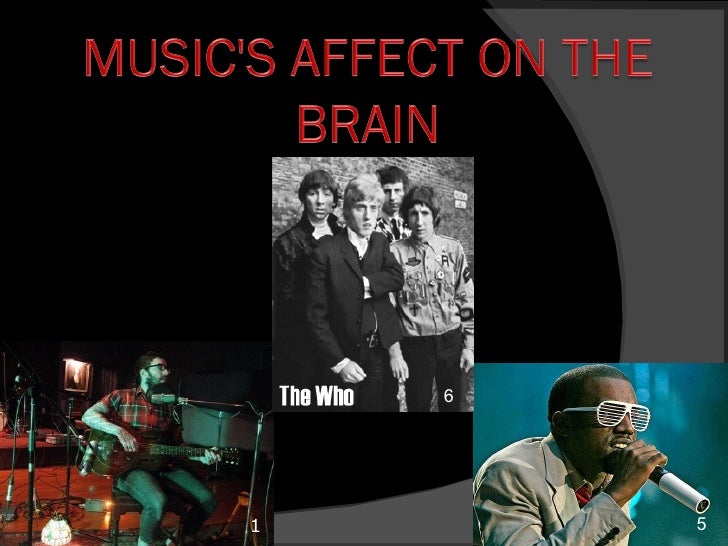
While it may be obvious that music impacts you physically, music affect brain how your understanding how music and the brain interact requires deep study and an ability to probe the mysteries of the human mind. the result is a fascinating picture of the role music can play in brain development, learning, mood, and even your health.
1. the chills you get when you listen to music, is mostly caused by the brain releasing dopamine while anticipating the peak moment of a song. dopamine is a feel-good chemical released by the brain. this chemical is directly involved in motivation, music affect brain how your as well as addiction. How musicaffects the brain: take the next step. the evidence is clear — playing a musical instrument or listening to music can positively affect brain health and fitness. this brain-boosting effect is evident at all stages of life, benefiting everyone from babies to seniors.
Komentar
Posting Komentar